
Understanding Security Deposit Rules in PA
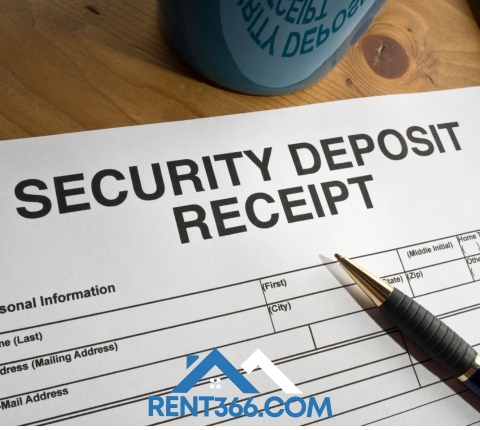
These rules are designed to protect both tenants and landlords, ensuring that funds are handled fairly throughout the rental process.
1. How Much a Landlord Can Charge
Pennsylvania limits the amount a landlord can collect as a security deposit.
During the first year of renting, a landlord may charge up to two months’ rent as a security deposit.
After the first year, the maximum allowed drops to one month’s rent.
After the second year, landlords must place any security deposit over 100 dollars into an interest-bearing escrow account.
2. When Tenants Get Their Deposit Back
Pennsylvania law requires the landlord to return the security deposit within 30 days after a tenant moves out.
The refund must include an itemized list if any deductions are made.
Deductions may only be taken for unpaid rent, damage beyond normal wear and tear, or other violations of the lease.
If the landlord fails to return the deposit within 30 days, they may be liable for double the amount withheld.
3. What Counts as Normal Wear and Tear
Understanding the difference between damage and normal use helps avoid disputes.
Small nail holes, minor carpet wear, and faded paint are generally considered normal wear.
Large stains, broken fixtures, holes in walls, or damage caused by neglect are considered tenant-responsible damages.
Tenants are encouraged to document the unit at move-in to prevent future issues.
4. Tenant Responsibilities
Tenants also have obligations under Pennsylvania law.
They must provide the landlord with a forwarding address to receive the refund.
They are responsible for leaving the unit clean and free of damage.
They must comply with all lease terms to avoid deposit deductions.
5. Why Understanding These Rules Matters
Security deposits often become disputed because tenants and landlords misunderstand what the law allows. Knowing the rules helps renters protect themselves and ensures a smoother renting experience.
Comments
There are no comments yet
Leave a Comment